Everything bought twice
Every household finances its own land, water, power, appliances, tools and vehicles, much of which sits idle.
The Vision
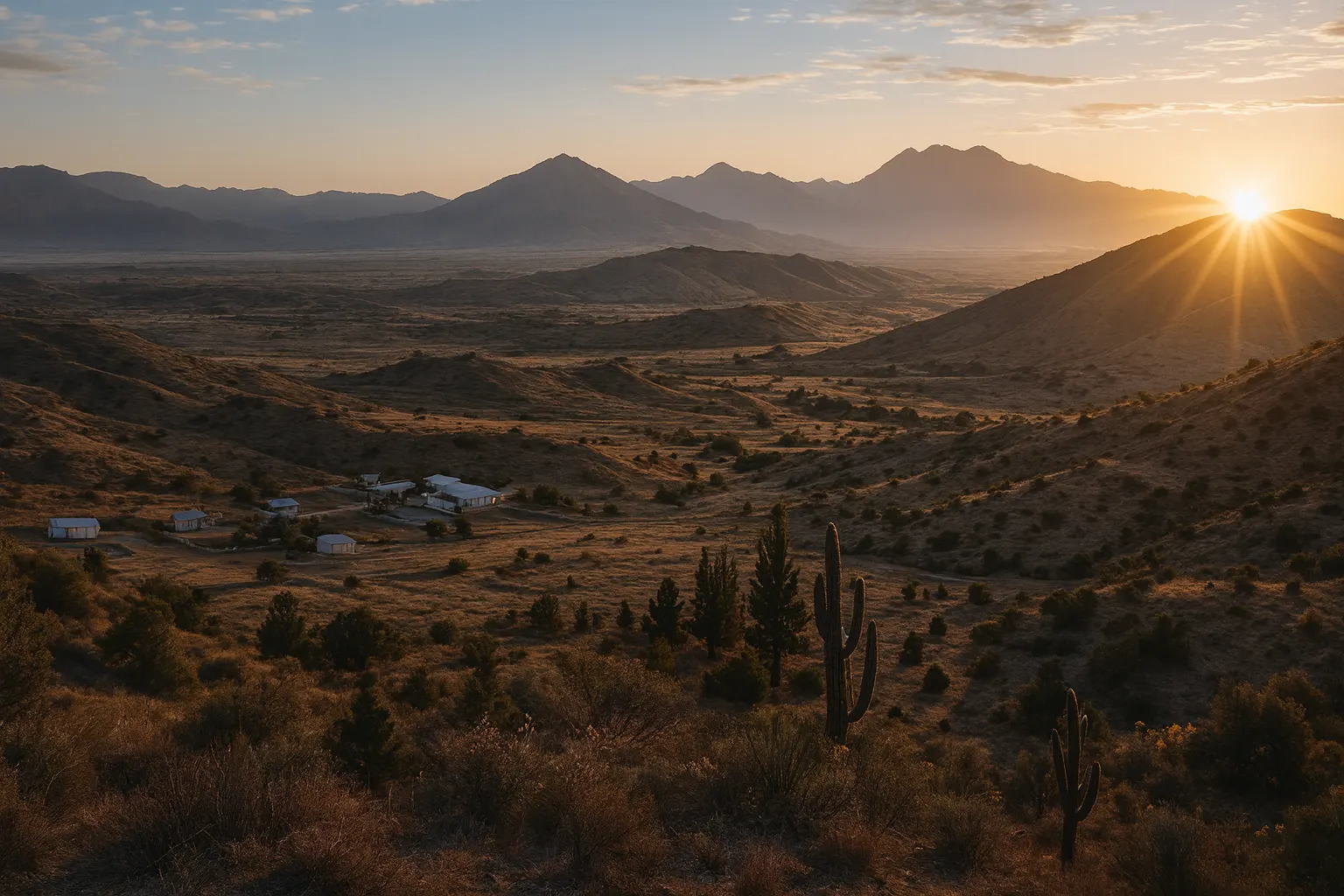
Settlement Zero asks whether housing and community infrastructure can be created without every household financing its own house, utilities and equipment, and without pricing out the next generation.
Why now
Rising land and construction costs put secure housing out of reach, even for people who could contribute a great deal of useful work.
Every household finances its own land, water, power, appliances, tools and vehicles, much of which sits idle.
Skills and willingness to work rarely count toward a home. Access depends on capital and credit.
When a place becomes desirable, appreciation locks out the people who would have made it work next.

Five systems

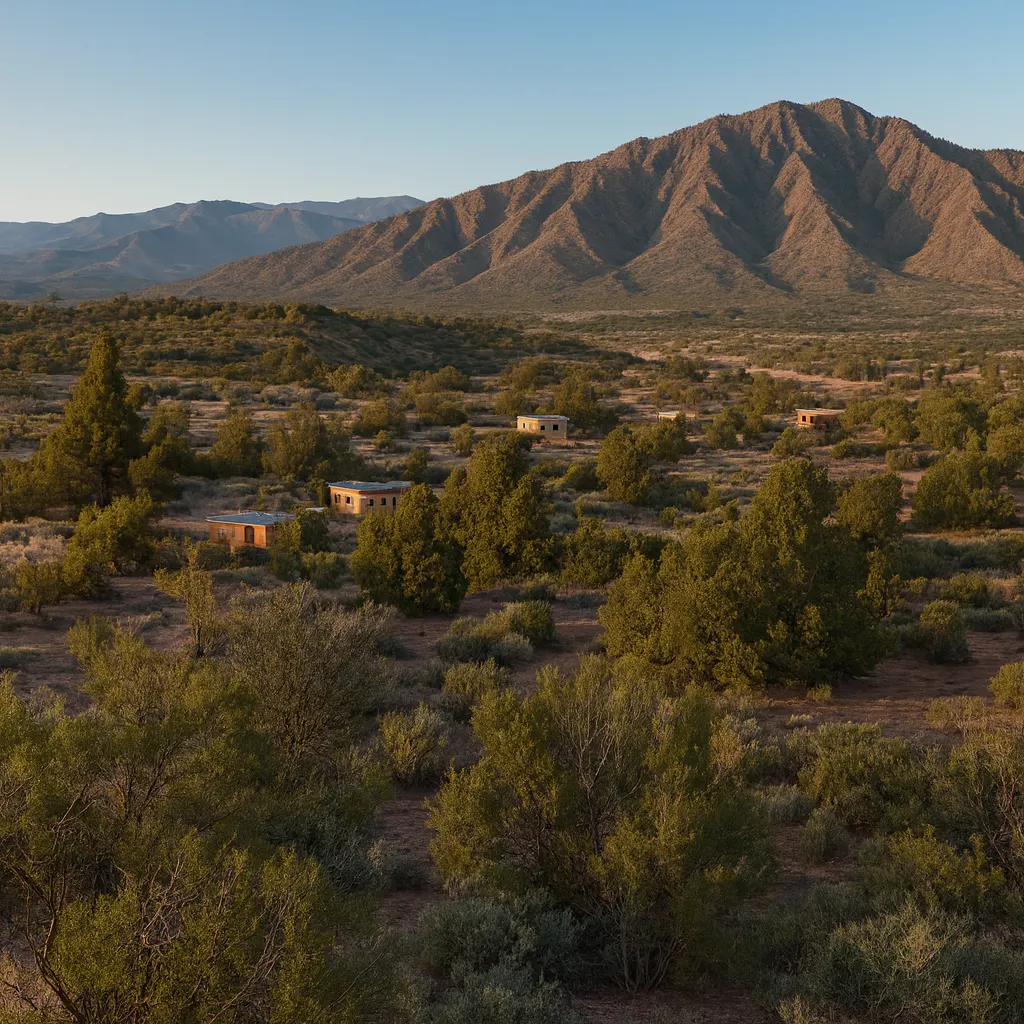
Secure, conserve, reuse and regenerate: slow it, spread it, sink it, store it.
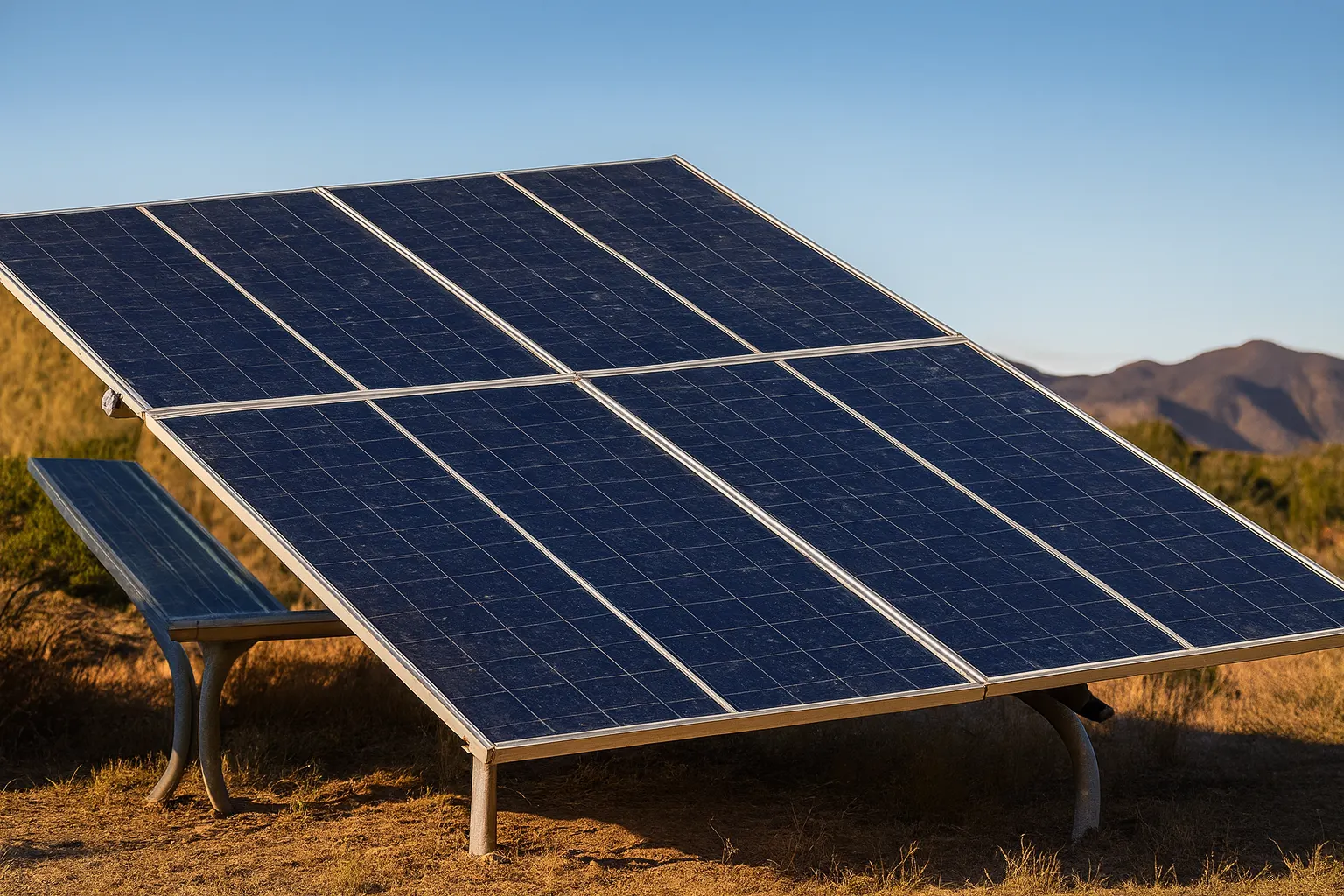
Solar-first power with battery storage, a grid connection where it makes sense, and room to expand.
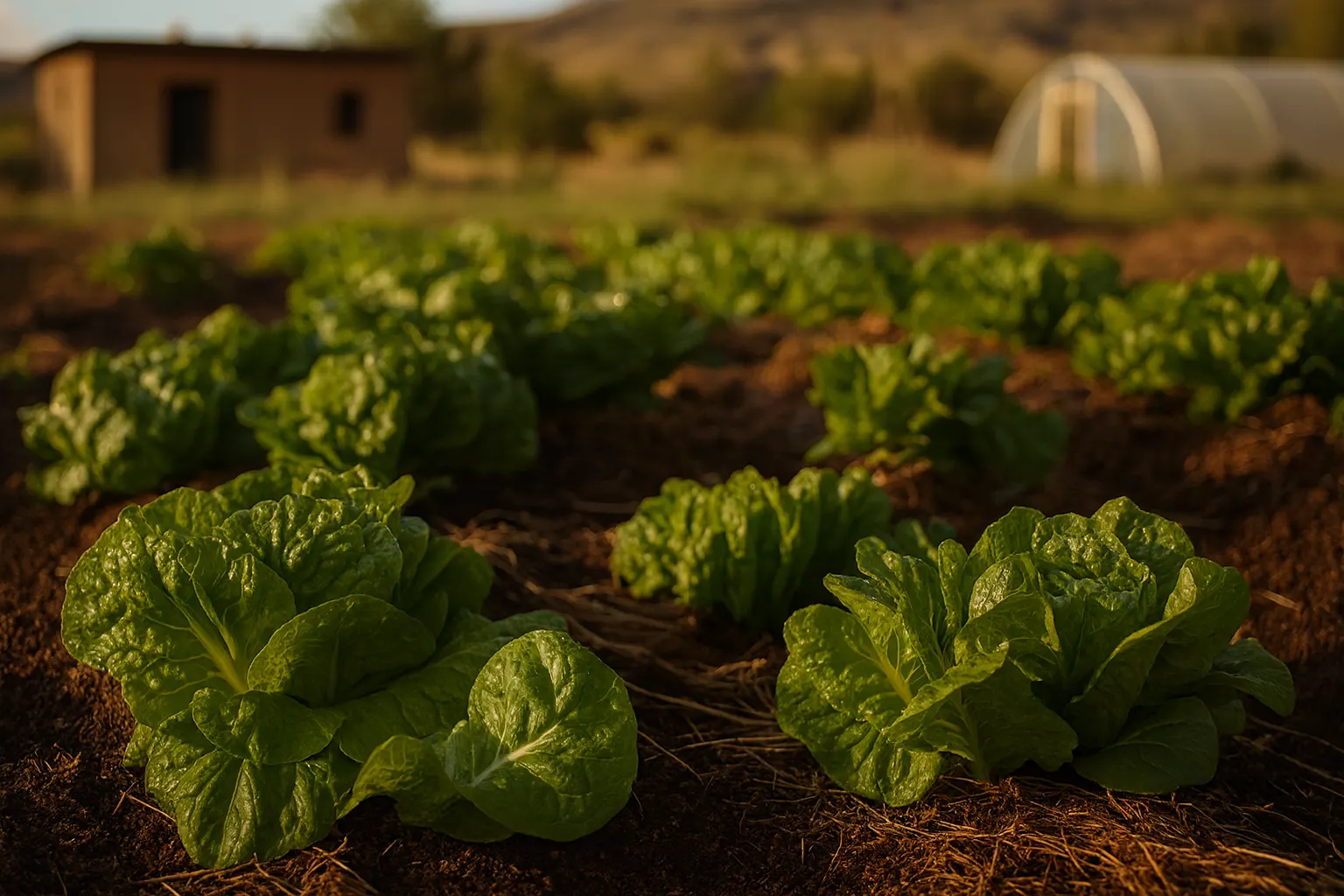
Lower costs through shared kitchens and bulk purchasing, with local growing that increases over time.
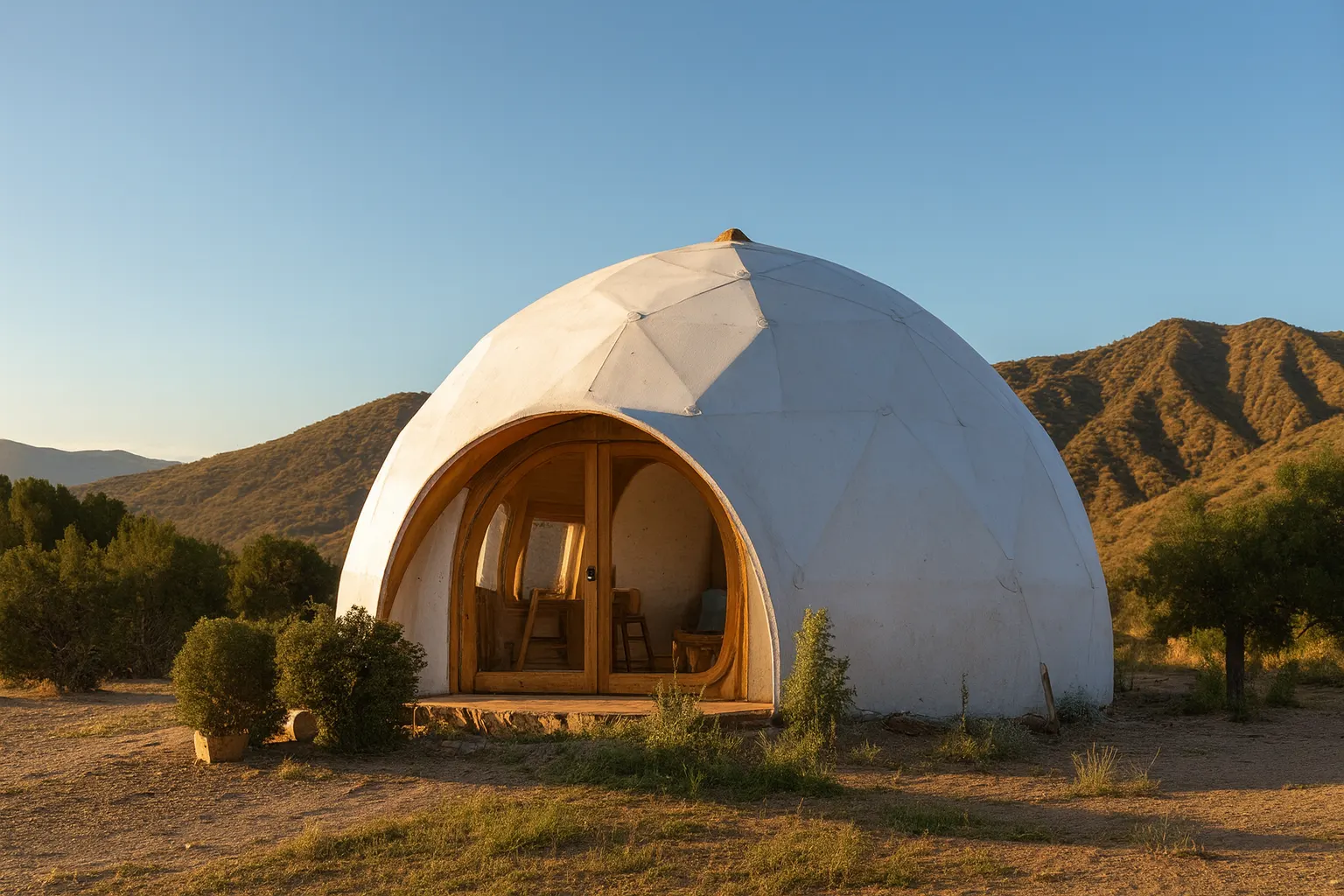
A durable path to secure residential occupancy without conventional speculative home ownership.
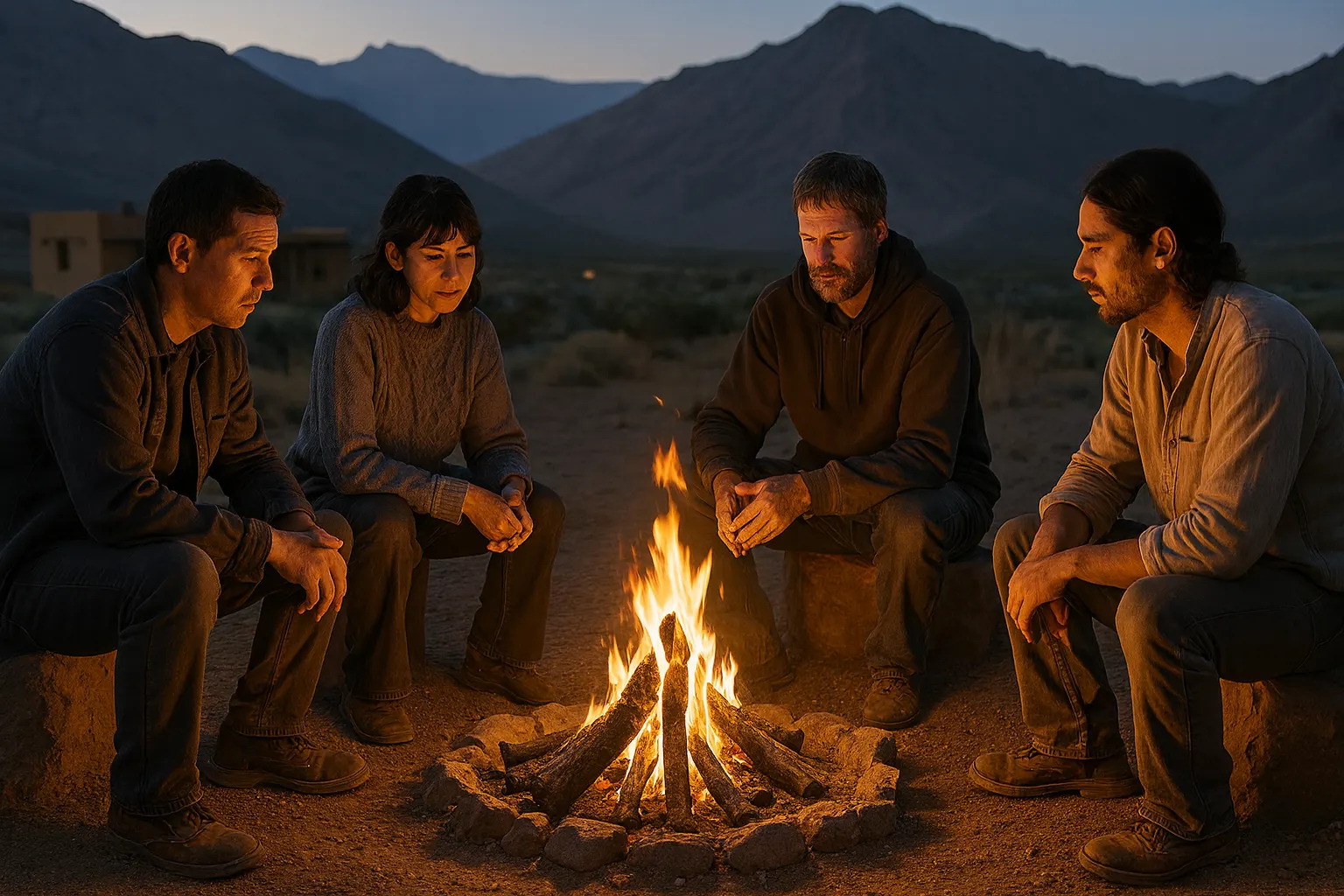
Individual autonomy alongside shared infrastructure, responsibility, knowledge and governance.
Shared and private
The cooperative exists to own and steward land and shared infrastructure, lower the cost of living through shared systems, and keep an affordable way in across generations.
| Held in common | Stays private |
|---|---|
| The underlying land | Your income, savings and investments |
| Water, wastewater, roads and major energy systems | Your job or business outside the cooperative |
| Community buildings, workshops and shared equipment | Your possessions and approved improvements |
| Common reserves and the redemption reserve | Your relationships, family life and beliefs |
| Rules needed for safety, stewardship and affordability | Privacy in your own home and freedom from unnecessary rules |
Principles
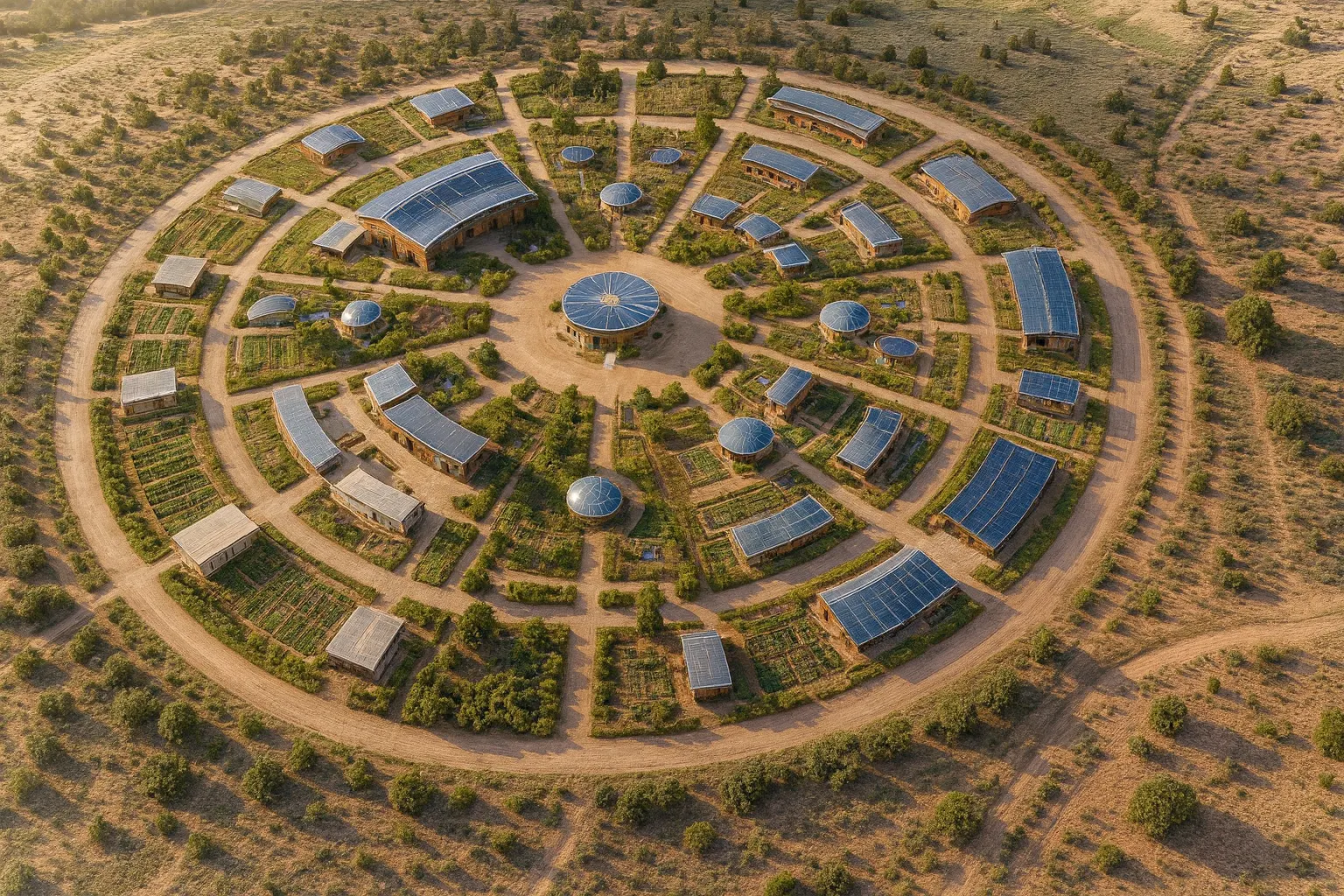
Voting power comes from membership, not wealth, hours worked or dwelling size.
A meaningful share of residential opportunities stays open to people who contribute skills and labour.
Land appreciation must not permanently price future members out.
Members can see common charges, reserves, work credits and redemption obligations.
Hydrology comes before roads, buildings and geometry.
Site 001 records what works and what fails so the next settlement is better.
The point of sharing the expensive systems is to spend fewer hours earning the cost of living, and more on family, craft, rest and play.
Clear boundaries
This is for you
Builders, growers, makers, professionals and remote workers: people who want to do more than get by.



Next
Work-to-own is the heart of the model. Read how contribution, credit and membership are intended to fit together.