Water security
A reliable, lawful potable supply and room to harvest and restore.
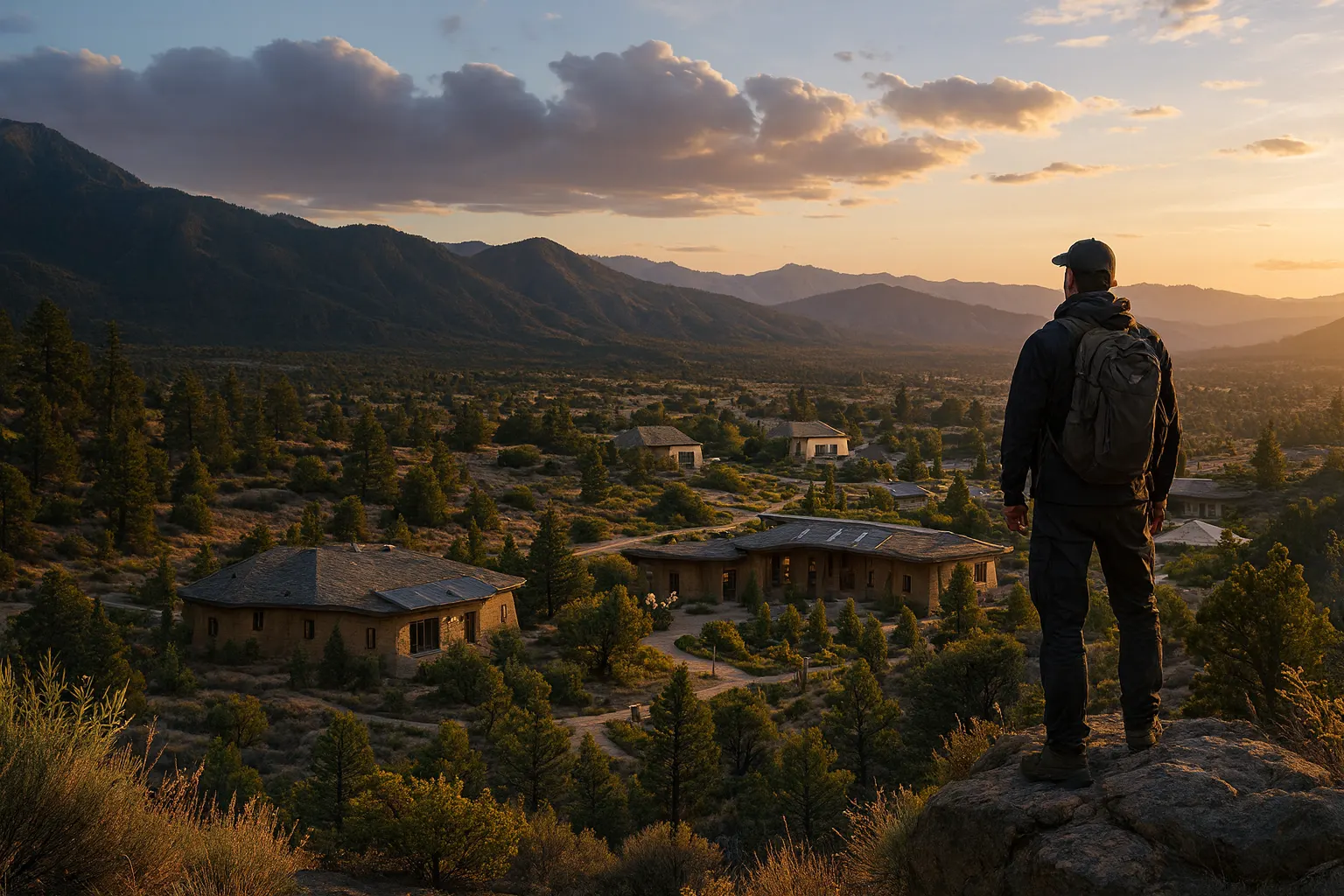
A project in formation
Settlement Zero is developing a member-owned settlement where land and major infrastructure are shared, private lives and finances stay private, and people can earn a place through skills and work as well as capital.
Site 001 is being researched. No site has been selected and no land has been purchased.
Capture, conserve and plan around it first.
Solar and storage, sized for phased growth.
Shared kitchens, bulk buying, gardens that grow over time.
Small private homes, excellent shared facilities.
Resident governance and a way in for the next person.
Why Settlement Zero
Conventional housing asks every household to finance its own land, utilities and equipment. Settlement Zero explores sharing the expensive systems while keeping private life private.
| Instead of… | Settlement Zero explores… |
|---|---|
| Buying an expensive individual house and duplicating every system | Smaller private dwellings supported by excellent shared infrastructure |
| Land appreciation pricing out the next generation | Cooperative stewardship, with residential memberships that return to a common pool |
| Only people with substantial cash gaining access | Cash, work-to-own and hybrid pathways |
| Building first and solving water later | Water-first land selection and hydrology-led planning |
| A developer keeping permanent control | A planned transition to resident democratic governance |
What it is
Settlement Zero is a proposed, repeatable model for affordable, cooperatively owned settlement. The first site is a prototype, documented so the next one can be better.
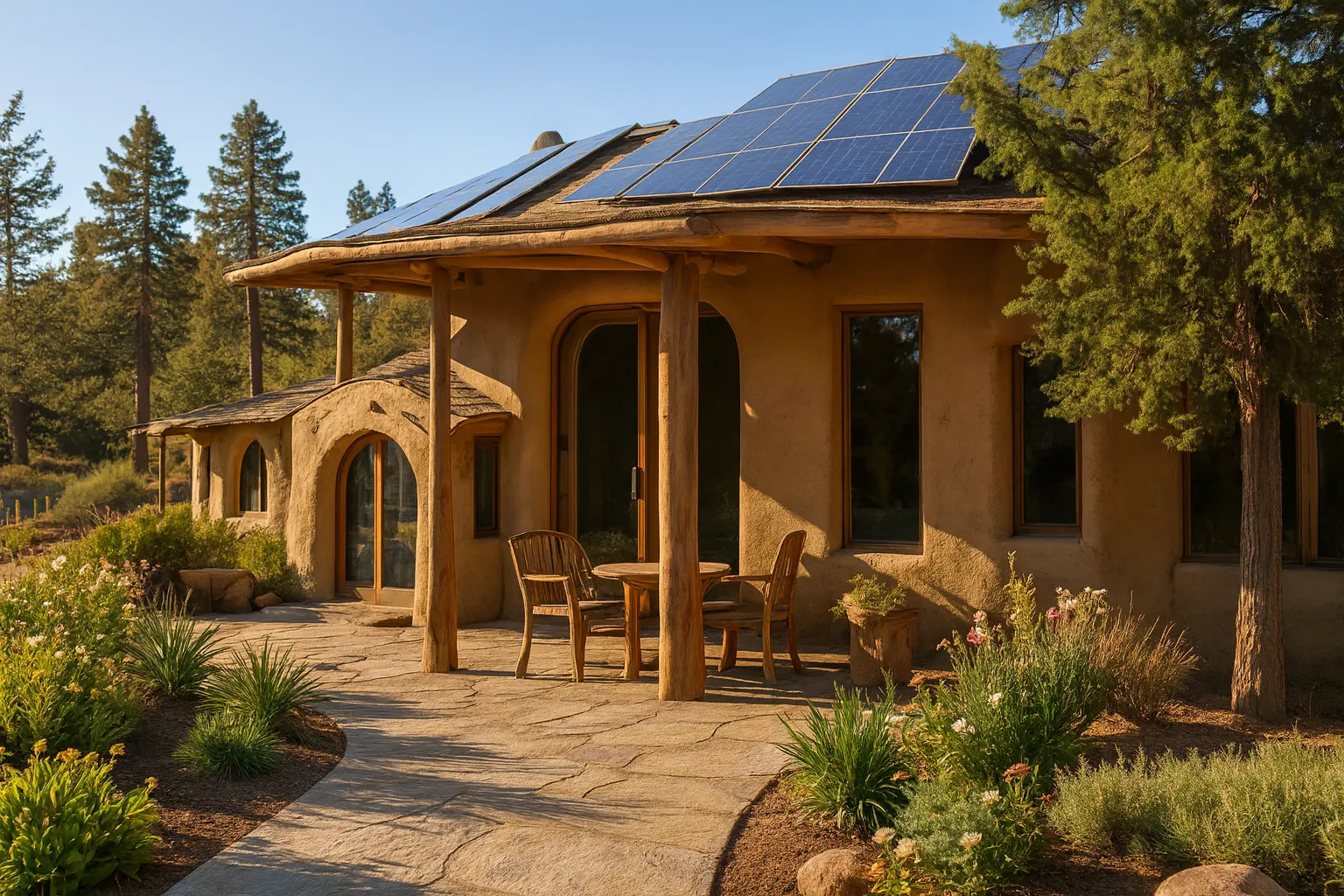
How it works
Approved contribution to building and running the settlement is intended to earn credit toward a residential membership. When a member leaves, that membership returns to a common pool for the next person.
Contribute skills, time, expertise or capital.
Approved work builds a transparent member capital account.
Credit counts toward a residential membership with an equal vote.
Durable occupancy rights to a private dwelling and the shared systems.
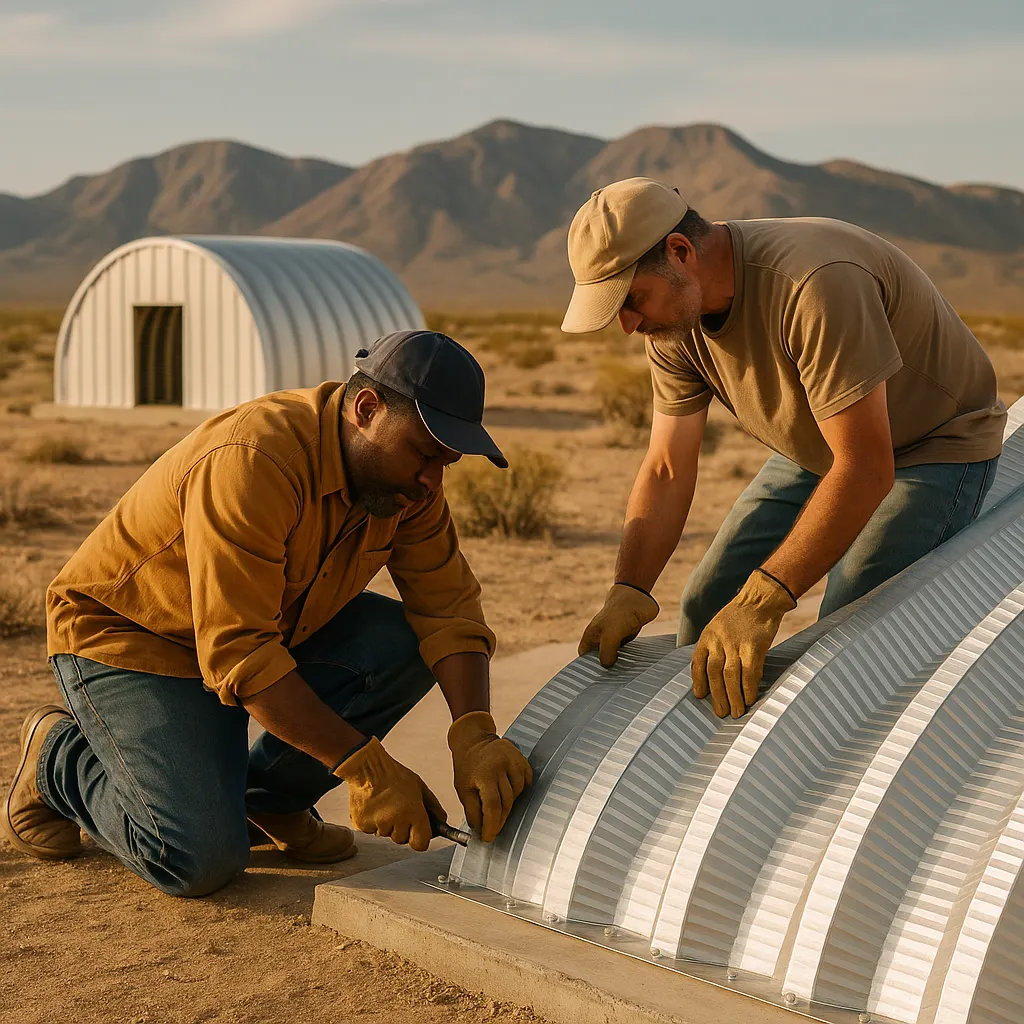

Site 001
Site 001 will be chosen with a repeatable scorecard, not attachment to a particular parcel. Water comes first.
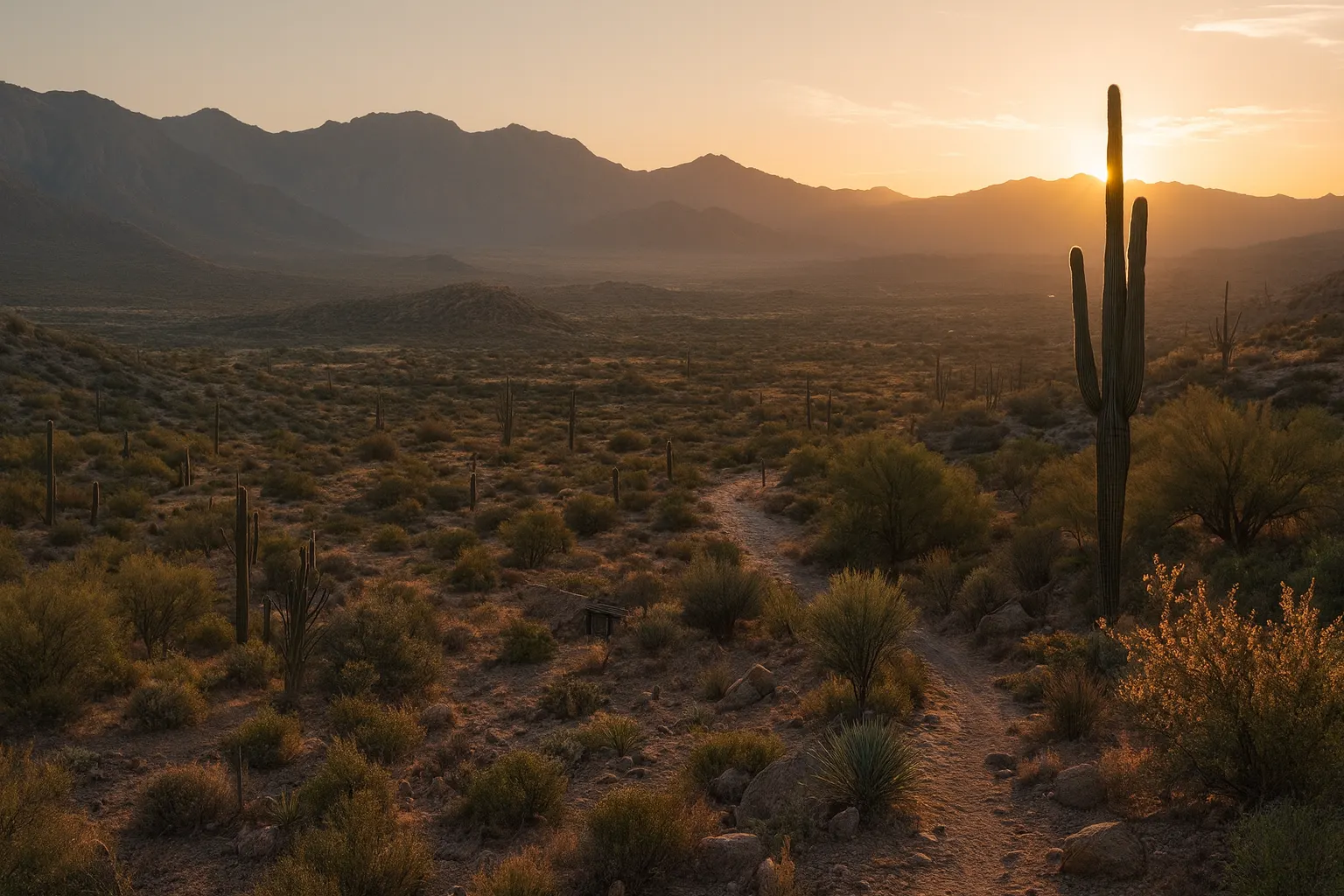
A reliable, lawful potable supply and room to harvest and restore.
A realistic approval path for the model, the buildings and the people.
Roughly 100–300+ acres at a price the model can carry.
Liveable climate, manageable hazards, reachable services.
The settlement plan
The current concept organises the settlement in rings around a community core. The geometry is a planning tool: roads, homes and gardens will bend to the real land and its water.
Conceptual planning diagram, not a site plan. A ring road and four radial roads connect the zones; the blue line is a natural water corridor.
Economics
A community kitchen, one well-built water system and a shared workshop cost far less per person than every household buying its own. The savings are what make work-to-own possible.
Water, energy, sanitation and kitchens are built once and used by everyone.
Departing members recover value under a published formula, so affordability survives success.
Common charges, budgets and material contracts are intended to be open to members.
Who controls it
The draft Governance Charter sets out the principles below. The legal structure is still being designed with counsel.
Cash does not buy extra ordinary voting power. Work-to-own members vote equally once admitted.
Founders lead formation and construction, then control passes to resident governance.
Work-credit, redemption and budget rules are written down and shared.
Memberships return to a common pool instead of being sold to the highest bidder.

The Founding Circle
The Founding Circle is the early network of people who want to follow, advise, contribute to, help build or one day live at Settlement Zero. Joining means: keep me informed, tell me when Site 001 research advances, and let me say how I might contribute.
Joining does not obligate you to move, invest or work, and it is not a membership, investment, job or promise of housing.
Support the project
Settlement Zero isn't asking anyone to invest or pay to join. Donations are welcome, but the most valuable thing you can do right now is share the idea with people who might build, advise or live here.
Would you like to donate? Ask about donating
Common questions
No. The design keeps private finances, outside work and businesses, and personal autonomy. Land and major infrastructure are shared and cooperatively stewarded.
No. Land and infrastructure must be financed. Work-to-own is intended to exchange approved contribution for a defined membership interest, not to create resources from nothing.
Not selected. Site 001 will be chosen using water, legal, climate, land, agriculture and infrastructure criteria.
No. Residential participation is being designed around use, occupancy and cooperative membership, not financial returns.
There is no opening date yet. The legal structure and Site 001 selection come before any construction commitment.
Follow the search
Choose "Stay informed" on the Founding Circle form to receive occasional updates only. No commitment, and you can unsubscribe at any time.